Friday, April 27, 2018

Spring 2018 - Unit IV/Blog IV


Image result for a rose that grew from concrete tupac

I see Hip-Hop as a rose.  To me, it 'grew out of concrete,' but it dies & re-emerges again. So, if I were to ask you to look into a crystal ball, where would you see Hip-Hop's origins, and what direction do you see it progressing?  How "will it keep its dreams" and "learn to breathe FRESH air?"

Please include ideologies which you learned from the class, and perhaps others which you now can 'see' that we did not discuss in class (maybe some you'll identify in a peer's final presentation)?

Due: Fri., 5/4/18 by the beginning of class (9am).


Friday, April 13, 2018

Spring 2018 - Blog III/Unit III: Living, Mad Money & Dying


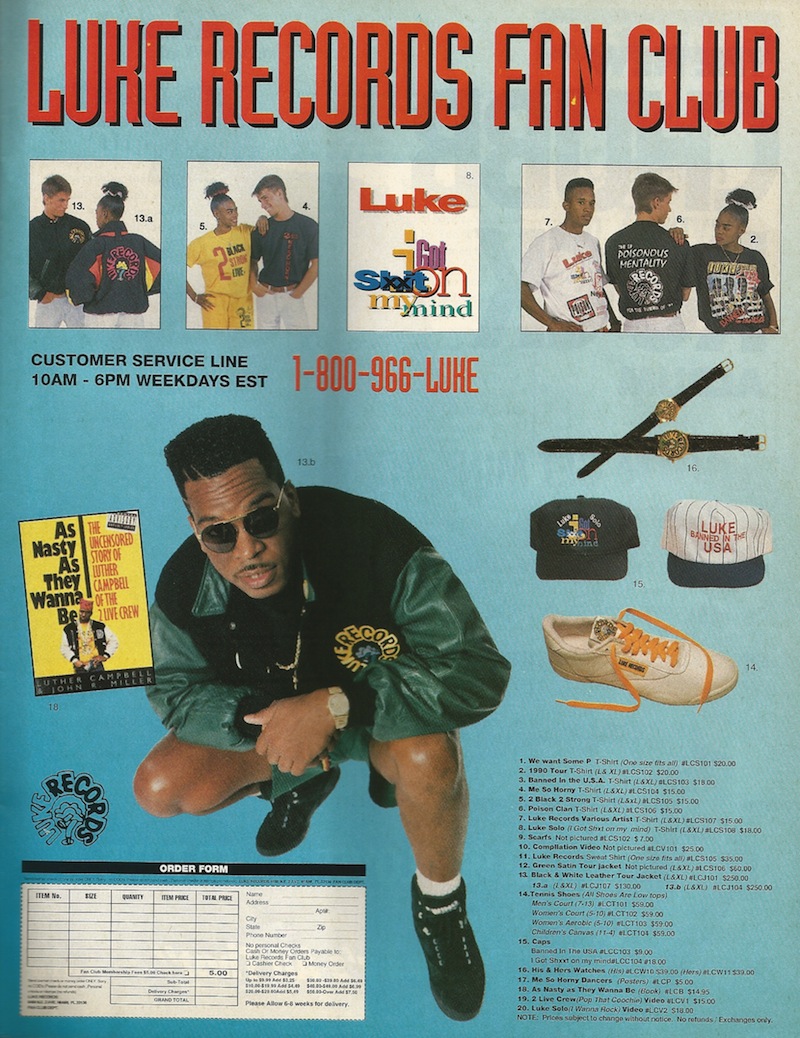
Image result for luther campbell gear hip hopImage result for brad jordan scarfaceImage result for scarface mental illnessImage result for luther campbell parental advisory

We began this unit with Luther Campbell's wild antics in Hip-Hop to discussing racial melancholia and collective grief.  Yet, Campbell's is more complicated than his escapades; after all, he's provided so much for the youth of Liberty City who wouldn't otherwise have a chance to excel. 

And, Brad Jordan, aka Scarface, seems to also exemplify complexity with his admitted battles with bi-polar.  We can imagine perhaps some of his anger stems from a hard life as well as his mental illness.

Today, some of you indicated that you had learned to endure with the racial macro and micro-aggressions.  Yet, I still believe 'dealing' with them somehow normalizes them.  Therefore, I have a question that remains, so I'll pose it here. Despite Luther Campbell's contributions to Hip-Hop, Brad Jordan's success as a Hip-Hop lyrical genius leaving us with hits like "Smile" and "Mind's Playing Tricks," do you foresee a time where racial melancholia doesn't exist; accordingly, will Hip-Hop ever fully heal from our collective grief? 


Due: Fri., 4/20/18 by the beginning of class.

Monday, March 19, 2018

Unit II - Blog II/Street Lit, Pimps, ...


Image result for women hip hopImage result for queerness in hip hop
Misogyny, homophobia, toxic masculinity and queer theory were all tenets we discussed in Unit II. We queered Hip-Hop; we criticized, and we interrogated it too.  We were left with probably more unanswered than answered questions.  So, I'd like to ask you two questions which still remain with me today.

1. What do you think the impact of toxic masculinity within Hip-Hop will have on its audience?
2. Will Hip-Hop ever be a space of acceptance for anything non-heteronormative and non-patriarchal?

Please explain your answers thoroughly, and don't forget to include a media component.

Due: Fri., 3/23/18 by the beginning of class.

Image result for toxic masculinity hip hopImage result for women hip hop


Sunday, February 11, 2018

Spring 2018 - Unit I/Origins of HH Discourse


 Image result for grandmaster flashImage result for 9 mile filmImage result for hip hop artImage result for futura graffiti artist


Stories have always been compelling to me.  I believe it's why I'm more attracted to some rappers rather than others.  TuPac Shakur has always been my favorite HH artist because I saw him as a master storyteller - a griot if you will.  In this unit, we've learned the importance of the story as well elements of that story from braggadocio to call and response.  Furthermore, we examined the components of "genius" within the HH artistic aesthetic.  It's more than the lyrical story, it's the graffiti, the dancing, fashion, performances, technology, and the sound - the amalgamation of it all.  Out of those we've discussed, which component resonated the most with you, and why?

Due: Fri., 2/16/18 by the beginning of class.